Climbing Mount Everest and "Leave No Trace” Insights for Corporations about Risk Management and Sustainability

Introduction to our presentation for corporate clients

Play Video

Climbing Everest and achieving business success have many of the same elements

Our presentations are designed for corporate audiences seeking inspiration and practical strategies.

You’ll see what it takes to plan and execute major expeditions, and learn how these lessons translate directly into achieving individual, team, and organizational goals.

We explore the critical importance of risk management and strategic decision-making skills, essential both on the mountain and in the boardroom.
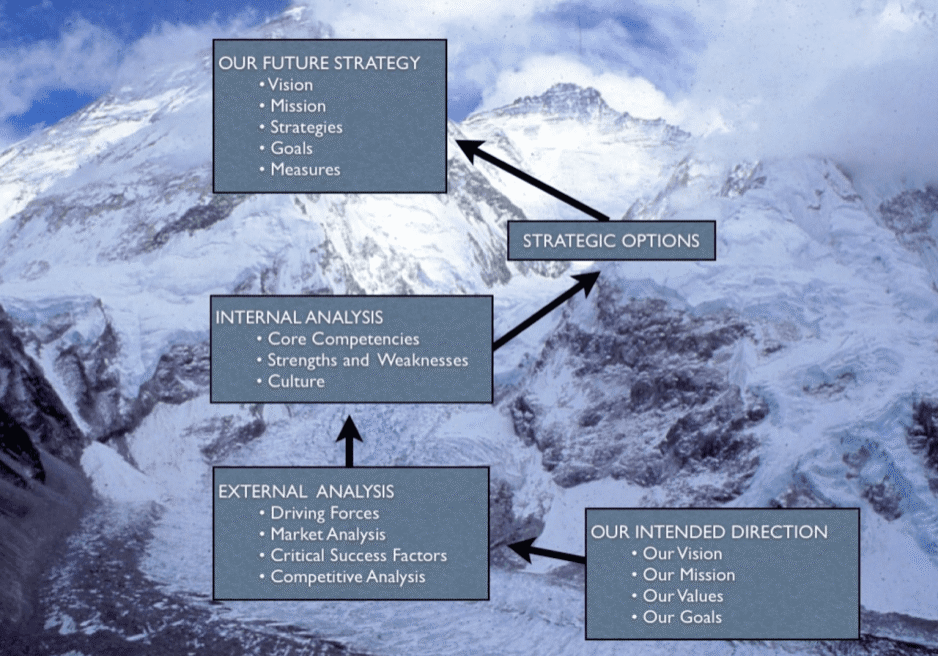
A flowchart depicting strategic planning from future strategy to intended direction.
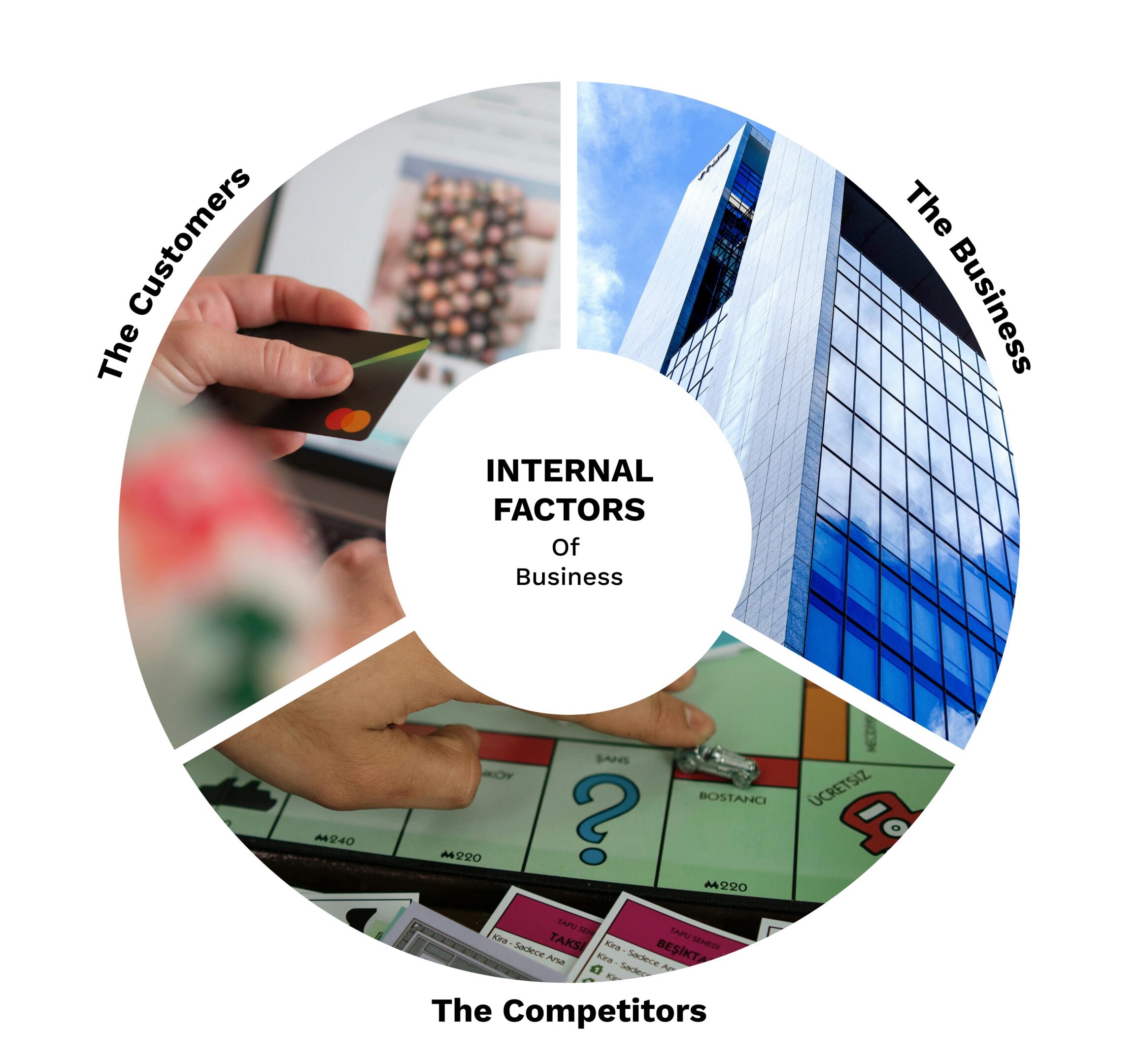
Internal_Factors_of_Business-20260530145726
C6334696-85E0-4AB1-A9C2-39054064EFC7
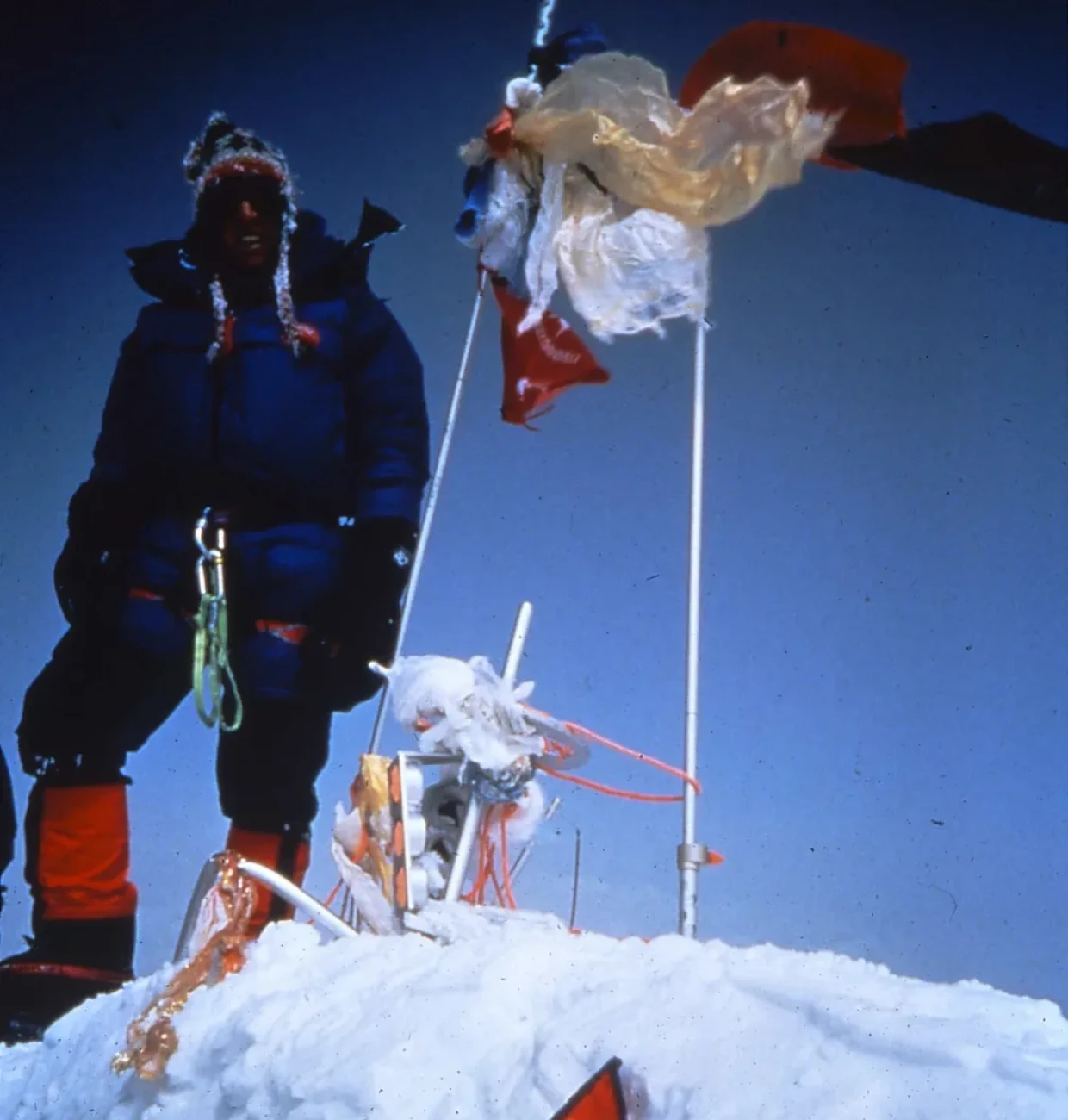
Climber standing on snow-covered peak

Rob Hess, standing on the summit of the world

Lessons From the Summit

  • Expedition Planning - The team spent 3 ½ years planning the Sagarmatha Environmental Expedition.
  • High Altitude Logistics - Plans made for emergencies, as well as equipment transport, and oxygen purchases. Reviewed accident reports on avalanches, high-altitude illnesses, and other hazards.
  • Team Member Roles - Each team member assumed tasks based on prior experience. All mountaineers had guiding experience and knowledge in dynamic areas of the expedition.

The Sagarmatha Environmental Expedition not only reached the summit of the world, it changed the ethic for environmental responsibility on Everest. (Note: “Sagamartha” is the Nepalese name for Everest”)
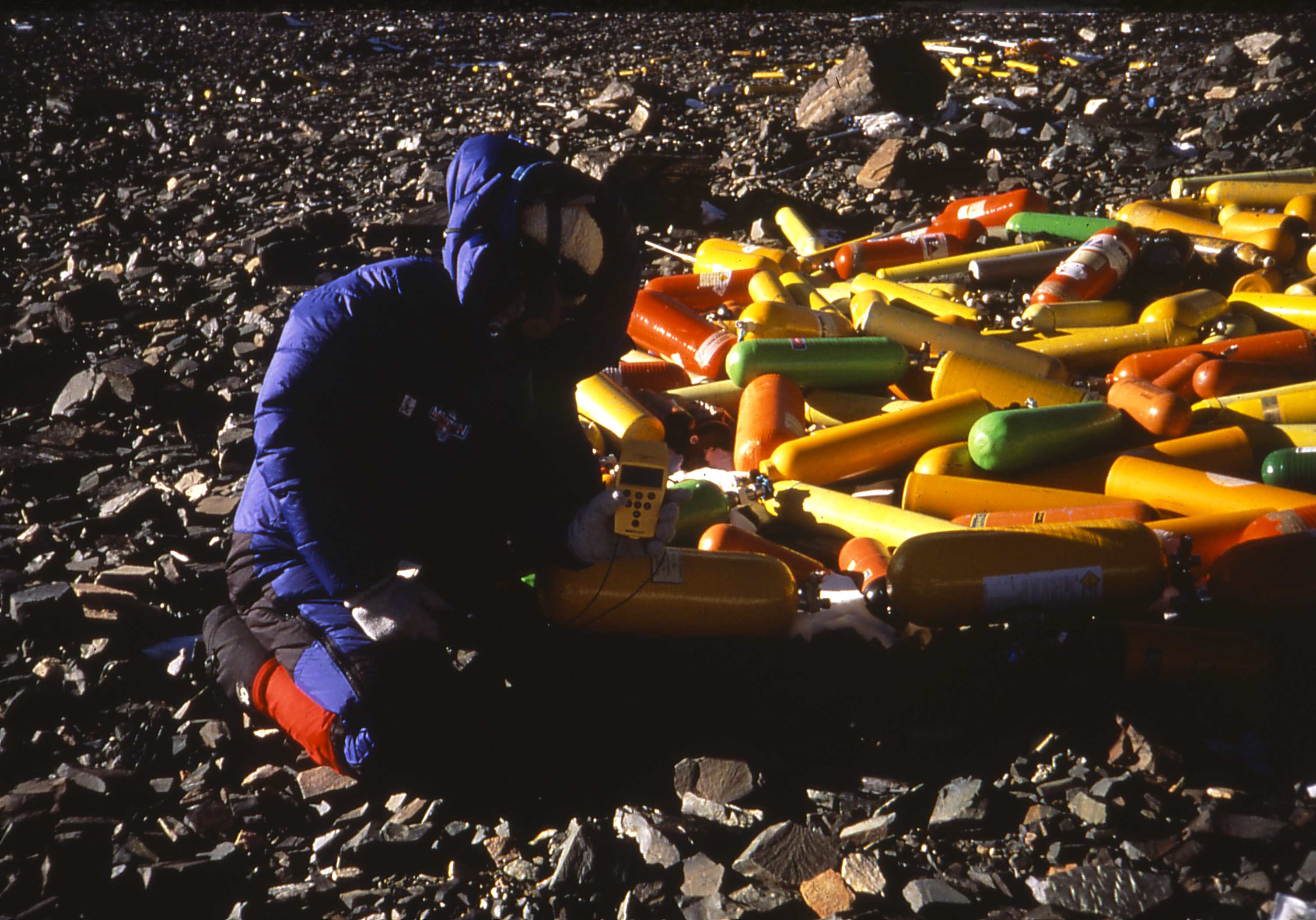
  • Removed over 5,000 pounds of trash from high camps, including bottles, tent poles, fabric, and plastics.
  • Introduced the Bottle Recovery Incentive Plan, which is still in effect today.
  • Completed an Environmental inventory of Everest impacts.
  • Recognized with the David Brower Award for Environmental Action by the American Alpine Club.
Researcher with vibrant equipment on stony terrain.

Steve at 26,000 ft, using GPS to mark the location of discarded oxygen bottles